
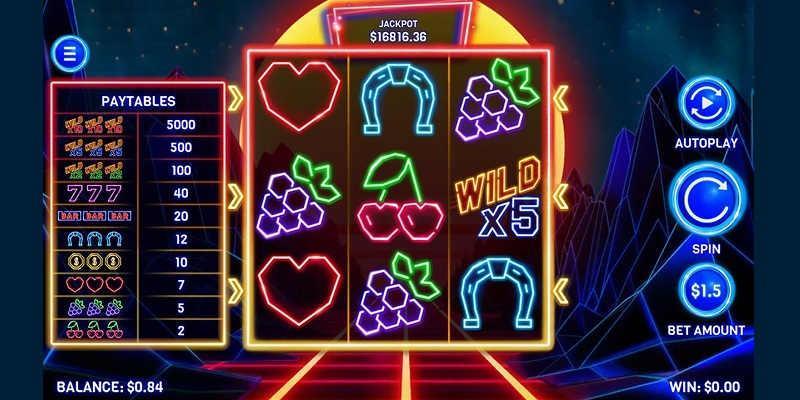
When we sit down to play a modern video slot, the base game reels are rarely what we remember days later. What lingers is the moment the screen freezes, a new animation fires, and the promise of a transformed payout structure appears. Bonus rounds are not decorative add-ons; they are the engine that drives player engagement, changes the mathematical return profile of a game, and separates forgettable spins from genuinely thrilling sessions. In a title like take a look, the entire pirate narrative is built to funnel players toward the treasure-filled bonus features, where wilds lock, multipliers climb, and the real potential of the game shows itself. Knowing how these rounds work, why they exist, and what they contribute to the overall experience is essential for anyone who wants to move beyond pulling a lever and hoping for the best. This article analyzes the role bonus rounds play in slots, using concrete examples and mechanical explanations that will change how you assess every game you load.
The Impact of Bonus Rounds on RTP and Volatility
Each spin on a slot machine, base game or bonus, factors into the game’s long‑term return to player percentage. However, the allocation of that RTP between the base game and the bonus rounds is not equal. In many high‑volatility slots, a significant portion of the theoretical RTP—sometimes 30% to 40%—is centered on the bonus features. This means that a player who never triggers the bonus round is effectively playing a game with a much lower effective RTP than the advertised figure. Pirate Gold Slot, with its high volatility rating, almost certainly follows this model. The base game is designed to return a smaller percentage of wagers over time, keeping the player afloat until the bonus round delivers the infrequent but substantial injection of funds that brings the long‑term average back in line.
RTP Contribution of Bonus Features
One can view a slot’s RTP as a pie chart. One slice covers the base game wins, another slice represents the free spins feature, another the pick game, and so on. Developers tune these slices precisely. If too much RTP is loaded into the base game, the bonus rounds come across as underwhelming and don’t generate excitement. If too much is concentrated in the bonus, the base game becomes a exhausting grind, and players may quit before ever seeing the feature. The sweet spot for a game like Pirate Gold Slot is a base game that pays often enough to sustain a balance, but with the clear understanding that the session’s defining wins will come from the Money Collect or free spins rounds. When we test a new slot, we pay attention to how the balance behaves over a few hundred spins. A well‑tuned game will give us just enough base game hits to keep us engaged while building anticipation for the bonus trigger.
Risk level and the Rate of Feature Triggers
Fluctuation, or variance, describes the risk assessment of a slot. High‑risk games award bigger amounts less frequently, and low‑volatility games dispense lesser amounts more frequently. Bonus round trigger frequency is a direct lever for volatility. A slot that activates its bonus every 80 spins on average will seem very different from one that triggers each 250 spins, even if both have the same combined RTP. Pirate Gold Slot stands on the upper end of the volatility spectrum, indicating its bonus rounds are relatively rare but bear the potential for massive multipliers. We always review the game’s help files for any indication about feature frequency, though developers infrequently publish exact numbers. Instead, we depend on community data and our own play sessions to measure the typical wait. Comprehending this frequency helps us manage our bankroll: a high‑volatility game with a rare bonus requires a bigger session budget and a enduring mindset, because the dry spells between features can be extended and harsh.
The mechanics behind Free Spins Features
Free spins are the most prevalent bonus round format, but their inner workings vary so widely that two slots sharing the same title for the feature can play completely differently. At its simplest, a free spins round grants a set number of spins at the stake level that activated it, in which no additional wager is deducted. That said, the true essence comes from what shifts during those spins. In Pirate Gold Slot, the free spins feature introduces a special expanding symbol or locked wild feature that significantly changes how often wins occur and win potential of each spin. Grasping these changes is key to assessing whether a free spins round is a real advantage or merely a cosmetic diversion.
How Free Spins Get Triggered
Feature triggers govern the triggering of the feature. Most slots demand three or more scatter symbols showing up anywhere on the reels in a single base game spin. In Pirate Gold Slot, the scatter is typically represented by a themed icon such as a treasure chest or a pirate ship, and getting three of them not only gives the free spins but often provides a small instant scatter prize as well. The number of spins awarded generally adjusts with the number of scatters: three might award 10 free spins, four might give 15, and five could give 20 or more. Some games, including this one, may enable the feature to be retriggered by hitting additional scatters during the free spins themselves, in essence extending the bonus session without returning to the base game. This retrigger potential is a crucial variable because it can turn a modest bonus into an lengthy sequence of enhanced spins, and we invariably examine the game’s rules to see whether retriggers are restricted or unlimited.
Reactivating and Enhanced Reels
Once during free spins, the reel set often changes. Extra wilds could be placed to the reels, or existing wilds may become sticky, holding position for the duration of the feature. In Pirate Gold Slot, the free spins round is recognized by a mechanic where a special symbol gets randomly picked to expand and cover entire reels when it appears, generating multiple winning combinations simultaneously. This expansion mechanic is what gives the round its high variance punch. A single spin with two or three expanded symbols can produce a payout that dwarfs anything possible in the base game. We also carefully monitor whether the free spins play on a different set of reels, sometimes with an increased number of ways to win or a modified paytable. These changes aren’t always apparent from the game’s marketing, so we regularly reading the paytable information before committing real money. The difference between a standard free spins round and one with expanding symbols is often the difference between a forgettable feature and a genuinely lucrative one.
Why Bonus Rounds Play a Key Role to Modern Slot Design
Bonus rounds are featured because base game math alone cannot deliver the emotional arc that keeps a player engaged over hundreds of spins. A standard five‑reel slot with fixed paylines will, by design, generate a steady drip of small wins and losses. Without interruption, that rhythm becomes predictable, and predictability is the enemy of excitement. Developers employ bonus features to break the monotony, introducing a second phase of play where the rules change. In Pirate Gold Slot, the shift from standard spinning to a Money Respin feature or a free spins round with locked wilds is not cosmetic; it temporarily overrides the base game’s paytable and volatility profile, creating a concentrated burst of higher decision density and payout potential. This structural pivot is what transforms a session from a passive activity into an active, memorable event.
From a structural viewpoint, bonus rounds resolve a fundamental problem: how to deliver big, rare payouts without making the base game seem barren. If a slot just had a 5,000x win resting on a single payline, it would hit so infrequently that most players would quit it. By wrapping that potential inside a feature that triggers every 100 to 200 spins on average, the game can advertise a massive max win while maintaining the base game playable. We see this in how Pirate Gold Slot balances its paytable. The top base game symbols pay modestly, but the real treasure is found in the bonus, where money symbols gather and wilds lock. This split architecture enables the game maintain a high volatility rating without harming the player during the vast majority of spins. It is a mental contract: endure the base game grind, and the bonus round will deliver the session’s defining moment.
Bonus rounds also serve as the primary mechanism for thematic immersion. A pirate theme is not just about background graphics and a jaunty soundtrack; it is about the feeling of searching for treasure. The Money Collect mechanic in Pirate Gold Slot, where coin symbols land with cash values or jackpot labels and are assembled by a special collector symbol, directly converts the theme into a game mechanic. We are not just watching a pirate; we are actively looting. This ludonarrative harmony is what distinguishes a top‑tier slot from a generic one. When the bonus round reinforces the story, the player’s emotional investment deepens, and the perceived value of the feature increases well beyond its raw mathematical contribution. This is why developers allocate so heavily in bonus round design: it is where the slot’s identity is established.
The Function of Scatters and Triggering Conditions

Scatter icons are the gatekeepers of bonus rounds. Unlike standard symbols, which must land on particular paylines or nearby reels to pay, scatters usually pay anywhere on the screen and trigger the bonus when a minimum number appear. In Pirate Gold Slot, the scatter is a themed symbol that is prominent visually from the standard symbols, often moving or bright to catch the eye. The number of scatters required is usually three, but some games permit a feature trigger with just two if a special condition is met. The scatter’s twin role—paying a scatter prize and unlocking the bonus—makes it the most important symbol on the reels during regular game play. All spins, we are instinctively looking for those scatters, and the anticipation builds as two land and the final reel is still spinning.
Activation requirements can be more inventive than a simple scatter count. Some slots utilize a collecting system, where scatters are collected over multiple spins and stored in a gauge. When the meter is full, the bonus activates. Others employ a “bonus symbol” that only appears on particular reels, requiring a certain combination of feature symbols and wild symbols. Pirate Gold Slot also features a Money Collect mechanic that functions as an alternative route to a bonus‑like payout. In this mode, coin icons drop with cash values or jackpot designations, and a unique collector icon collects them. This is not a standard free spins feature, but it acts as a bonus mode in terms of its elevated payout potential and changed gameplay. We view these different activation methods a sign of a experienced design team. They introduce variety and diminish the frustration of waiting for a single, fixed scatter combination to appear.
The frequency with which scatters land is a meticulously adjusted variable. Too frequent, and the bonus triggers so often that its impact is diminished; too rare, and the player loses faith. We can occasionally infer the scatter hit rate by playing the game and noting how often two scatters appear versus three. A game that often shows two scatters but rarely lands the third is teasing the player, a calculated design choice that exploits the near‑miss psychology. Pirate Gold Slot, like many high‑volatility games, uses this technique. We see two scatters land, our pulse accelerates, and the third reel spins just a fraction longer, building peak suspense. This is not a error; it is a expertly designed emotional beat. Identifying it helps us stay in control and admire the craft without being manipulated by it.
How Multipliers and Expanding Symbols Amplify Wins
Within bonus rounds, two mechanics stand out as the primary drivers of huge payouts: multipliers and expanding symbols. A multiplier boosts the win of a spin or a sequence of spins by a fixed or increasing factor. In free spins, it is common to see a starting multiplier of 2x or 3x that grows with each consecutive win or each scatter that lands. Expanding symbols, on the other hand, use a single symbol and stretch it to cover an entire reel, often paying as multiple instances of the symbol on all active paylines. When these two mechanics combine, the result can be exponential. A single expanded symbol covering three reels, combined with a 5x multiplier, can turn a modest bet into a win worth hundreds of times the stake in one spin. Pirate Gold Slot uses both mechanics in its free spins round, which is why the feature is so highly anticipated.
The statistical effect of multipliers is to skew the payout distribution even furthermore toward the extreme end. A free spins round without multipliers might produce a maximum win of 500x the bet. Add a growing multiplier that reaches 10x, and that ceiling jumps to 5,000x, even if the underlying symbol combinations remain the same. This is how developers build the headline max win figures that attract players. However, we must remember that these extreme outcomes are rare. The multiplier’s contribution to the game’s RTP is calculated over billions of simulated spins, and the vast majority of bonus rounds will see the multiplier at its lower levels. The presence of a multiplier does not promise a big win; it merely creates the possibility. When we play Pirate Gold Slot, we consider the multiplier as a welcome boost when it climbs, but we never count on it to reach its maximum. This realistic expectation is crucial for responsible play.
Expanding symbols add another layer of complexity. In many slots, including this one, the expanding symbol is randomly selected at the start of the free spins. If the chosen symbol is a high‑value character, the potential is vast. If it is a low‑value card rank, the feature may still yield decent wins, but the ceiling is lower. This chance within the bonus round itself adds a additional layer of chance that players must handle. We admire this design because it means that even after triggering the bonus, the outcome is not predetermined. The moment the expanding symbol is revealed is a compact climax within the larger feature. It keeps the player captivated and expectant, which is the entire purpose of a well‑crafted bonus round.
Select-and-Click Games and Interactive Bonus Games
Not all bonus rounds include spinning reels. Many slots, such as those with a treasure‑hunting theme like Pirate Gold Slot, feature pick‑and‑click games that bring an element of player agency. In these rounds, we are offered a grid of hidden objects—treasure chests, maps, barrels—and we tap to uncover instant cash prizes, multipliers, or additional bonus triggers. This format disrupts the automatic rhythm of slot play and forces a moment of active decision‑making, which heightens engagement. The illusion of control is powerful, even though the outcomes are predetermined by a random number generator the moment the feature is triggered. What we are really doing is uncovering a pre‑assigned sequence of prizes, but the act of choosing makes the win feel earned.
The mathematical role of pick games is to provide a assured minimum return while capping the maximum at a known value. Unlike free spins, which can in theory produce an unlimited chain of retriggers, pick games generally have a finite number of selections and a defined prize pool. In Pirate Gold Slot, a pick‑style feature might appear as a second‑screen bonus where we choose coins or chests to accumulate a total win. The design often includes a “collect” symbol that ends the round, introducing an element of risk. We must decide whether to keep picking or bank the accumulated prize. This risk‑versus‑reward dynamic is a deliberate psychological tool. It creates tension and a sense of personal involvement that a purely automatic free spins round cannot match. For players who find the base game repetitive, these interactive interludes are often the highlight of the session.
We should note that pick games are not invariably standalone features. They are often included within free spins as a gateway to an even greater level of rewards. For example, a slot could give free spins, and during those spins, landing a special symbol activates a pick game that bestows additional wilds or multipliers for the remaining spins. This multi-tiered framework, where one bonus leads to another, is a defining feature of sophisticated modern slot design. It produces multiple climax points within a single session and gives the player a feeling of progression. When we evaluate a game like Pirate Gold Slot, we search for this kind of nested feature architecture because it signals a game that repays patience with mounting excitement, rather than a single binary bonus event that either performs or does not.
What to Look for in a Slot’s Bonus Round Before You Play
Before we dedicate our bankroll to any slot, we perform a brief but structured evaluation of its bonus features. The first thing we examine is the paytable, which is always available from the game’s menu. We search for a dedicated section explaining the bonus round mechanics, including the number of free spins awarded, any multiplier progression, the presence of sticky or expanding wilds, and the maximum win cap. In Pirate Gold Slot, the paytable clearly specifies the Money Collect feature, the free spins triggering conditions, and the expanding symbol behavior. If a game’s help files are ambiguous or omit key details like the maximum win or the RTP, that is a red flag. Transparent developers publish this information prominently, and we choose to play their games.
Next, we evaluate the volatility and bonus hit frequency via a mix of published data and community feedback. While exact trigger rates are seldom confirmed, we examine the game’s volatility rating—usually low, medium, or high—and read player reviews to assess how long the wait between features typically feels. For Pirate Gold Slot, the high volatility rating tells us to expect dry spells, but the presence of the Money Collect feature gives a secondary bonus trigger that can interrupt the monotony. This dual‑trigger design is a positive sign because it implies we are not entirely dependent on a single scatter combination. We also observe the bet range. A wide bet range, from a low minimum to a high maximum, allows us to adjust our stake to match the game’s variance. We can play at a lower bet per spin to extend our session and boost our chances of triggering the bonus, which is a sensible strategy for high‑volatility games.
Finally, we evaluate the maximum win potential relative to the bet. A slot that boasts a 5,000x max win but demands a bonus round with a 1 in 10 million hit rate to reach it is presenting a lottery ticket, not a sustainable play experience. We look for games where the bonus round thestar.com can feasibly produce wins in the 100x to 500x range with some consistency, even if the absolute ceiling is higher. Pirate Gold Slot achieves this balance well. Its free spins with expanding symbols can yield substantial wins without requiring an astronomical sequence of events, while the Money Collect feature can award one of several fixed jackpots, adding a layer of certainty. By following this pre‑play checklist, we begin the game with clear expectations, a budget matched to the volatility, and an recognition for the mechanical artistry that makes bonus rounds the heart of modern slots.
The true role of bonus rounds is not just to give out extra spins or flashy animations. They are the precisely designed payoff for patience, the numerical offset to base game grind, and the thematic culmination of the slot’s theme. In Pirate Gold Slot, every scatter that lands, every coin that collects, and every wild that locks is part of a system crafted to turn a random number generator into a story worth telling. We invite you to approach your next session not as a passive spinner but as an informed observer of this design. Review the paytable, comprehend the trigger mechanics, and set your bet in harmony with the game’s volatility. When you do, the bonus round becomes more than a chance at a big win; it becomes the moment the game fulfills its promise, and that is an experience worth chasing responsibly.