
Blackjack Basic Strategy Hit 16 vs 10: When Standing Beats the Instinct
The hardest call in blackjack basic strategy hit 16 vs 10 is also the one most likely to drain a session if played by gut feel. For an Australian player weighing table discipline against the noise of a busy floor, the decision is less about bravery and more about expected loss. We look at why the math points one way, how a reputable operator should support disciplined play, and whether the approach suits your bankroll and temperament.
The math behind the stand
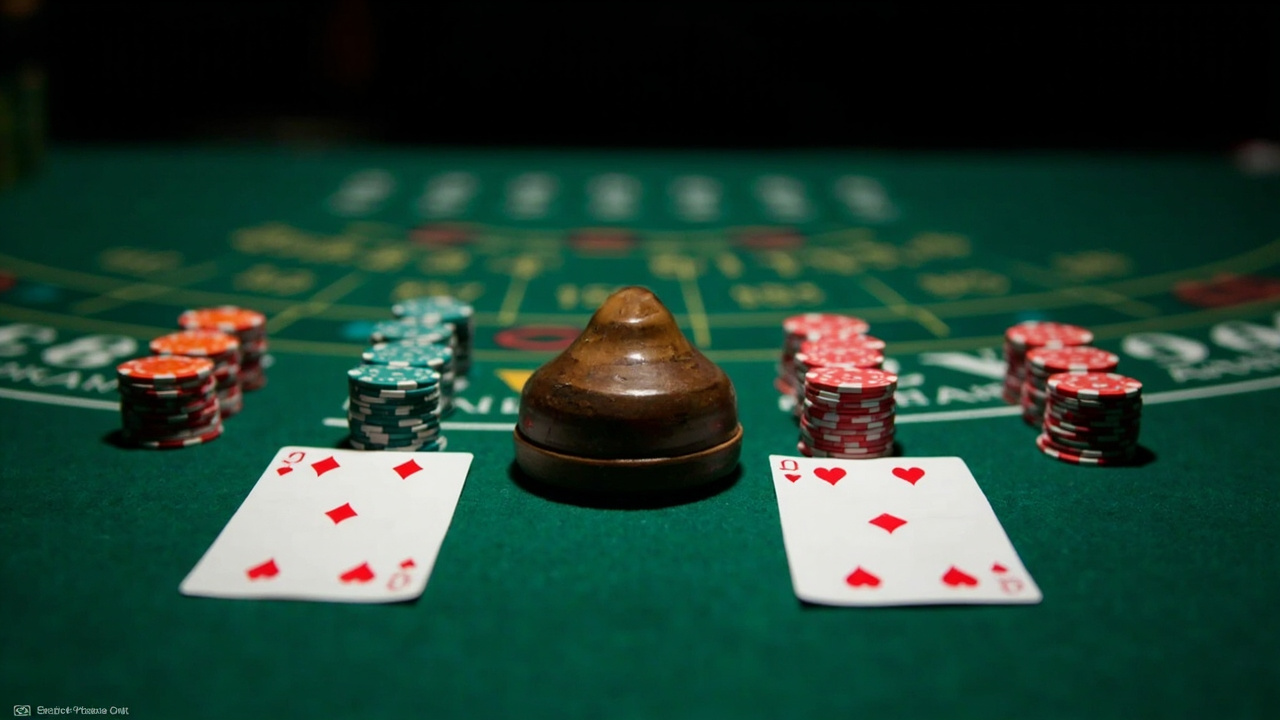
Sixteen against a dealer ten sits in that uncomfortable pocket where every option looks wrong. Hitting wins when the dealer busts, but the dealer ten is a strong shape; standing wins only when the dealer fails to make a hand. Basic strategy resolves the tension by counting composition and probability rather than hope. The rule is straightforward: stand on hard sixteen against a ten, because the chance of improving a weak total is lower than the chance of catching a dealer bust on a ten-up. That single line removes guesswork and trims the house edge on a hand that otherwise tempts reckless swings.
The reasoning matters because it is repeatable. A player who respects the chart treats each decision as a small edge in a long run, not a dramatic moment to be won or lost on one card. That mindset pairs well with operators that build their tables around clear rules, visible payouts, and steady pacing rather than flashy side bets that invite impulse. When the game screen shows the same decision tree every session, discipline stops feeling restrictive and starts feeling like a tool.
What the chart says and why it matters
Hard totals and the ten-up problem
A hard sixteen is a total without an ace counted as eleven, which means there is no flexible redraw. Against a dealer ten, the deck is stacked toward high dealer outcomes, and the cards that would rescue a sixteen – small ranks – are precisely the ones already scarce in a ten-up shoe. Hitting therefore exposes a weak hand to a high probability of turning into a poorer one, while standing waits on the dealer to misdraw. The chart is not promising a win; it is choosing the smaller loss on average. That distinction is the whole point of basic strategy: reduce variance where the math is unforgiving, and accept that some spots are simply unfavourable.
How disciplined play fits a real session
In a live setting, the call is tested by pressure: a hot arvo at the tables, a crowded room, and the temptation to chase a bad beat with a reckless hit. Disciplined players treat the chart as a boundary, not a guarantee, and they use it to keep swings within a planned range. That is where operator design matters. Tables with clear rule signage, consistent deck penetration, and a measured pace help a player stick to the plan instead of improvising under noise. When the environment supports the decision rather than fighting it, the strategy becomes usable rather than theoretical.
Trust, support and account controls
A sound approach to blackjack basic strategy hit 16 vs 10 only pays off if the operator behind the tables is built for steady, responsible play. The right setup puts licensing and security front and centre, with account controls that let a player set limits before the session rather than after. That means deposit caps, session reminders, and easy access to reality checks without hunting through menus. Support should be reachable when a question about rules, payouts, or verification pops up, not buried behind a chatbot loop. Privacy handling should be plain about what data is collected and how it is used, because a player making calm, repeated decisions needs confidence that the platform is not nudging them toward impulse.
The clubhouse casino for instant play titles keeps the focus on transparent tables and straightforward account tools, which suits a player who wants the chart to do the heavy lifting. Registration is simple enough to get started without paperwork fatigue, mobile play is built for quick checks rather than constant pings, and loyalty rewards are tied to play rather than pressure to reload. Payments and currencies are presented in a way that keeps the numbers readable, so a player can see where the bankroll stands before the next hand. None of that removes the house edge, but it does reduce the friction that turns a disciplined plan into a messy session. the clubhouse casino for instant play titles
From the chart to the player
Not every player needs the chart, but anyone playing regularly does. The stand on sixteen versus ten is a small, repeatable edge that only matters if it is applied consistently across sessions. That makes it a fit for players who prefer measured pacing, clear rules, and a bankroll they can track without guesswork. It is less suited to anyone chasing a single big swing or treating each hand as a standalone drama. The value is not in winning more often on that one spot; it is in losing less often across the ones that follow.
A Darwin regular once put it plainly over a flat white at the local: “I used to hit sixteen every time the dealer showed a ten, thinking one card would save me. Then I ran the numbers on a quiet Tuesday arvo and realised I was just handing the house more chances. Now I stand, keep my limits set, and let the session breathe.” His mate nodded and added, “No worries, same here – defo less stress when you stop arguing with the deck.”
For players who want a calmer, more repeatable approach to blackjack basic strategy hit 16 vs 10, the stand is the call that matches the math and the temperament. It works best with an operator that keeps rules clear, support close, and account controls easy to use, so the decision stays a decision rather than a debate.
- Hard total: a hand without an ace counted as eleven, so no flexible redraw.
- Ten-up: the dealer’s face-up card is a ten, shaping the probability of strong dealer hands.
- Basic strategy: a decision chart that picks the statistically better play for each player hand against each dealer up-card.
- Expected loss: the average amount a player loses over time given the rules and wagers, not a prediction for any single hand.