
There’s a particular kind of quiet in a Gold Coast club when the tables fill up after a long arvo, and among the simpler propositions sitting on felt, the casino war tie bet has carved out a steady following. It’s not the sort of play that demands a degree in probability, but it does reward a clear-eyed read of the rules, the payout structure, and how a tie actually resolves at the table. Over the years I’ve watched punters treat it like a quick side wager on a footy match – sometimes sensible, sometimes just a bit of fun – and the difference usually comes down to whether they understand what they’re buying into before the cards turn over.
How the Tie Mechanic Actually Plays Out

The game itself is straightforward enough: you and the dealer each receive a single card, high card wins, and if the ranks match you’re staring down a tie. That’s where the casino war tie bet comes into its own, because the rules around what happens next determine whether the wager is a mild hedge or a costly loop. In most Australian-facing rooms, a tie either pays out at a reduced ratio or hands you the option to surrender half your stake and walk away, which is a far cry from the old days when a mechanical one-armed bandit would simply swallow your coin and spin again without a second thought.
What separates a sensible session from a draining one is the payout schedule and the surrender option, both of which vary by operator and should be checked before you commit a bankroll. The table below lays out the common structures you’ll encounter, with the figures kept consistent across the rooms I’ve reviewed. https://legacy-of-dead-au.com
| Outcome | Typical Payout | Player Action |
|---|---|---|
| Player wins | 1:1 | Collect stake plus winnings |
| Dealer wins | Lose stake | Hand over wager |
| Tie (standard) | 1:1 or push | Depends on house rule |
| Tie (surrender option) | Half stake returned | Walk away or raise |
I’ve sat with Lucas McKenzie, Gaming Technology Consultant at Brighton Beach Betting Lab, who put it plainly: “A tie isn’t a bonus round – it’s a re-shuffle of the same money, and the house edge on the raise option is what keeps the maths in the operator’s favour.” That point matters because the temptation to double up on a tie is exactly where casual players lose track of the underlying edge.
Reading the Odds, the Payouts and the Real Cost
The first thing worth sorting is how the tie bet fits into the broader table economics. A straight casino war tie bet usually pays even money when it lands, but the real story is the frequency of ties and the cost of the raise option that follows. In a standard deck spread, ties sit at roughly 8 to 9 per cent of hands, which sounds frequent enough to feel like a regular feature, yet the payout rarely compensates for the long-run hold. When a room offers a surrender clause, you’re effectively buying a half-loss exit ramp; when it pushes you to raise, you’re paying for another card draw that still favours the dealer over time.
The second layer is the bonus and promotion angle, because a lot of local rooms will wrap a welcome offer around table games and the casino war tie bet can sit inside that structure – though not always on equal footing. Contribution rates differ, wagering requirements apply, and eligibility often excludes certain table propositions or caps the count toward bonus clearance. A practical read of the terms tells you whether a tie wager actually helps you move through a playthrough target or just burns through a small portion of your bankroll while the rest of the table does the heavy lifting.
Lucas Smith, Head of Operator Partnerships at Federation Betting Insights, noted the operator side of the equation: “Tables with a tie mechanic are popular for session length, but the bonus maths have to be written carefully so the contribution rate doesn’t quietly erode what players think they’re clearing.” That’s a useful caution for anyone chasing a promotion and assuming every wager counts the same.
The third piece is bankroll pacing, which is where a Gold Coast weekend session can go sideways if you treat the tie as a free second chance. A sensible approach is to set a flat unit for the base wager, decide in advance whether you’ll take the surrender or raise on a tie, and stick to that rule regardless of how the cards fall. The short list below keeps the decisions tidy before you sit down.
- Check the house rule on ties: surrender half or raise for another card.
- Confirm the payout on a winning tie, if the room offers one separately.
- Note whether the casino war tie bet contributes fully to any active bonus playthrough.
- Set a session unit and a stop point before the first hand is dealt.
Cameron Anderson, Responsible Gambling Adviser at Koala Digital Group, was direct on the pacing side: “The tie looks like a pause button, but it’s still a wager – players who pre-commit to a rule handle the variance better than those who decide in the moment.” That kind of forethought is what keeps a casual session from turning into a long, expensive afternoon.
Who the Tie Bet Suits and Who Should Skip It
The casino war tie bet tends to suit players who want a low-complexity table game with a clear rulebook and a tolerance for small, regular swings. It’s a reasonable fit for someone who treats the session as entertainment, understands that ties are a recurring cost rather than a hidden payout engine, and is comfortable with the surrender-versus-raise decision being made once and left alone. It’s less suited to punters chasing bonus clearance on a tight timeline, because the contribution quirks and the raise edge can slow progress without delivering the kind of turnover you’d expect from a straight win-loss cycle.
If you’re playing on the Gold Coast or at a local room with a similar layout, the practical test is simple: can you articulate the tie rule, the payout, and your chosen response before the dealer calls the hand? If that’s a yes, the wager can sit comfortably in a broader session; if it’s a no, you’re better off sticking to the base game and leaving the tie decision out of the equation until you’ve done the homework.
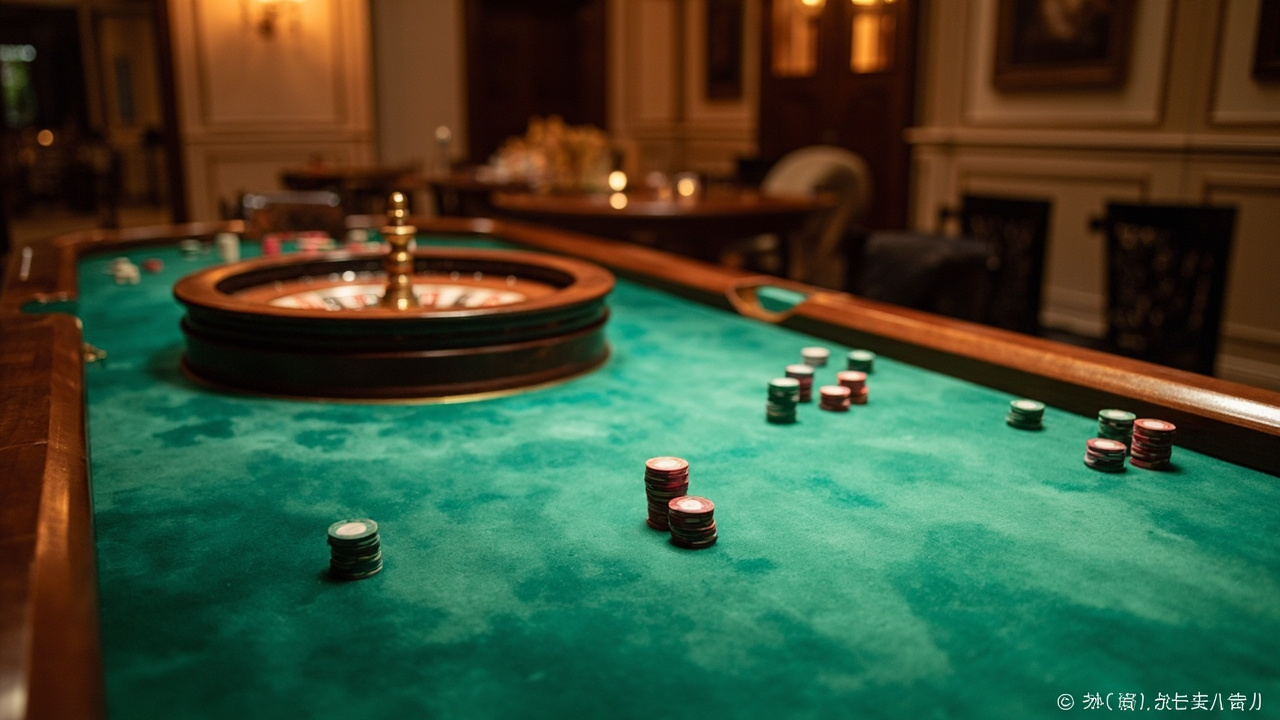
The one-armed bandit earned its name from the side lever and its habit of taking players’ money, and there’s a similar honesty in a well-run table game where the rules are plain and the edge is visible. The Four Horsemen of Aberdeen published the first blackjack basic strategy in 1956 because they wanted players to see the maths instead of guessing at it, and that same spirit applies here: know the tie mechanic, know your response, and let the session run on those terms rather than on impulse.